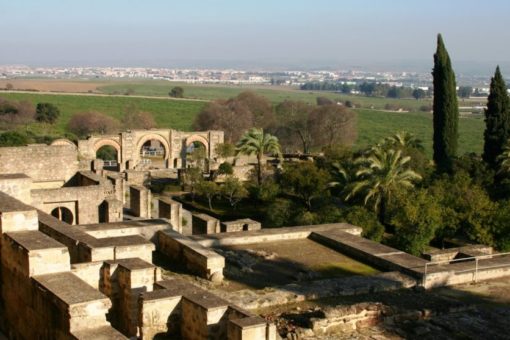
The Cordoba library, considered the largest in the Muslim world, has disappeared without a trace, writes the website onedio.com. The most outstanding library in Muslim Spain is, without a doubt,…
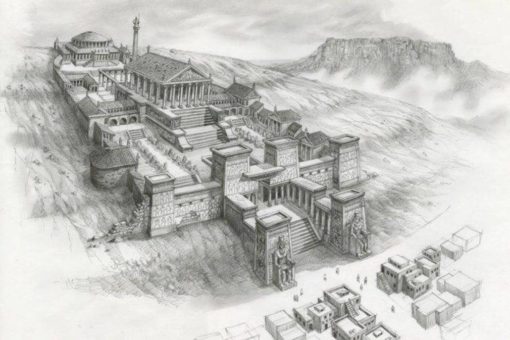
Anatomy of a myth: did the Arabs burn the Library of Alexandria?
Despite the fact that there is much evidence to the contrary, in popular literature you can still find claims that the Library of Alexandria was destroyed by the Arabs in…
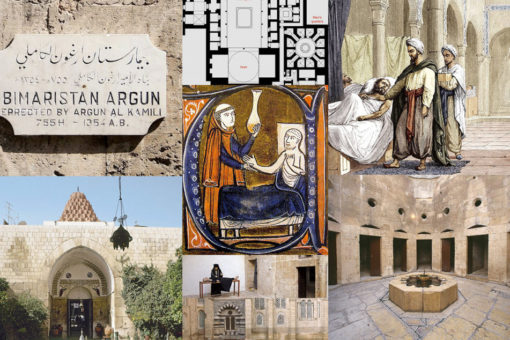
While in Europe in the Middle Ages, patients were expelled to special institutions outside the city gates, in which they were isolated from society and, mainly, depended on the mercy…
Aurangzeb Alamgir – Emperor who rewrote the Korans
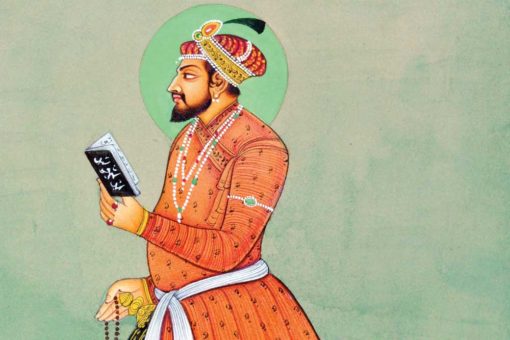
Emperor Aurangzeb is considered the greatest of the rulers of the Mughal dynasty. He was distinguished by religiosity and piety, however, his legacy is controversial in India. Under Aurangzeb , who ruled under…
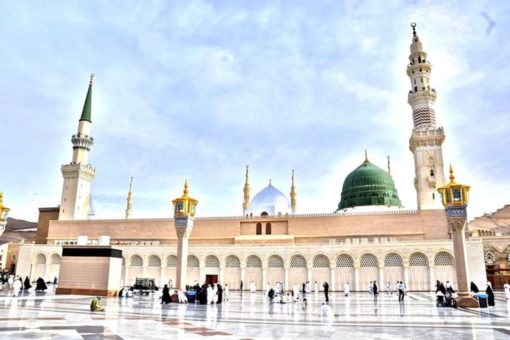
How the Prophet’s Mosque has changed throughout history
As a result of numerous reconstructions over the centuries, the area of the Prophet’s Mosque has increased from 1,022 sq. m up to 400,000 sq. m, write Nebi Bozkurt and Mustafa Sabri…
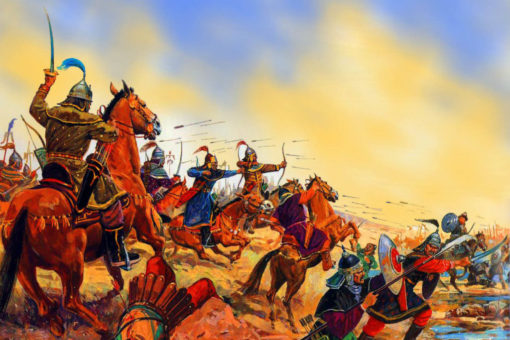
What Ibn al-Athir and Ibn Khaldun wrote about the Mongol conquests
Mongol conquests of the XIII-XIV centuries. sowed death and destruction throughout Central Asia and the Middle East. The Mongols managed to create an empire that covered most of Asia and became the…
Princess Nourah: The woman who had ‘the brain of 40 men’
The tale of the heroism of the small band of brothers who fought alongside Abdulaziz ibn Abdul Rahman, the founder of Saudi Arabia, in his epic battle to recapture Riyadh…
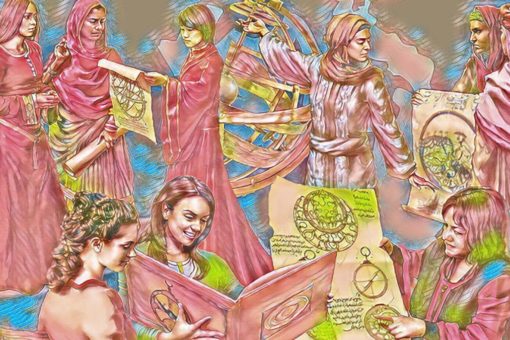
It surprises people to learn that women living under an Islamic order could be scholars, that is, hold the authority that attaches to being knowledgeable about what Islam commands, and…
History of Hijrah: Migration for Peace and Justice
After Muhammad had preached publicly for more than a decade, the opposition to him reached such a high pitch that, fearful for their safety, he sent some of his adherents to…
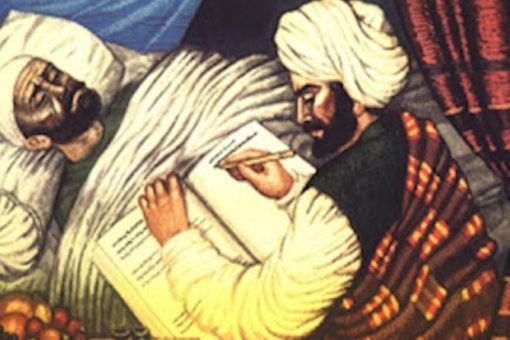
Ibn al Jazzar identified contagious diseases 1,000 years ago
How the 10th-century Muslim polymath gave physicians a new perspective when it came to examining infectious diseases. Ibn al Jazzar, a 10th-century Muslim polymath, was the first to diagnose leprosy, explaining the…